
Peloton Isn’t Done With Hardware. Not Even Close.
One new treadmill makes Peloton more accessible. Another may bring hybrid training into homes without room for a sled lane.
By RESEVVOR
Editorial analysis based on Peloton’s September 22 announcement and official product pages. Not a hands-on review. US list prices reviewed October 11, 2026.
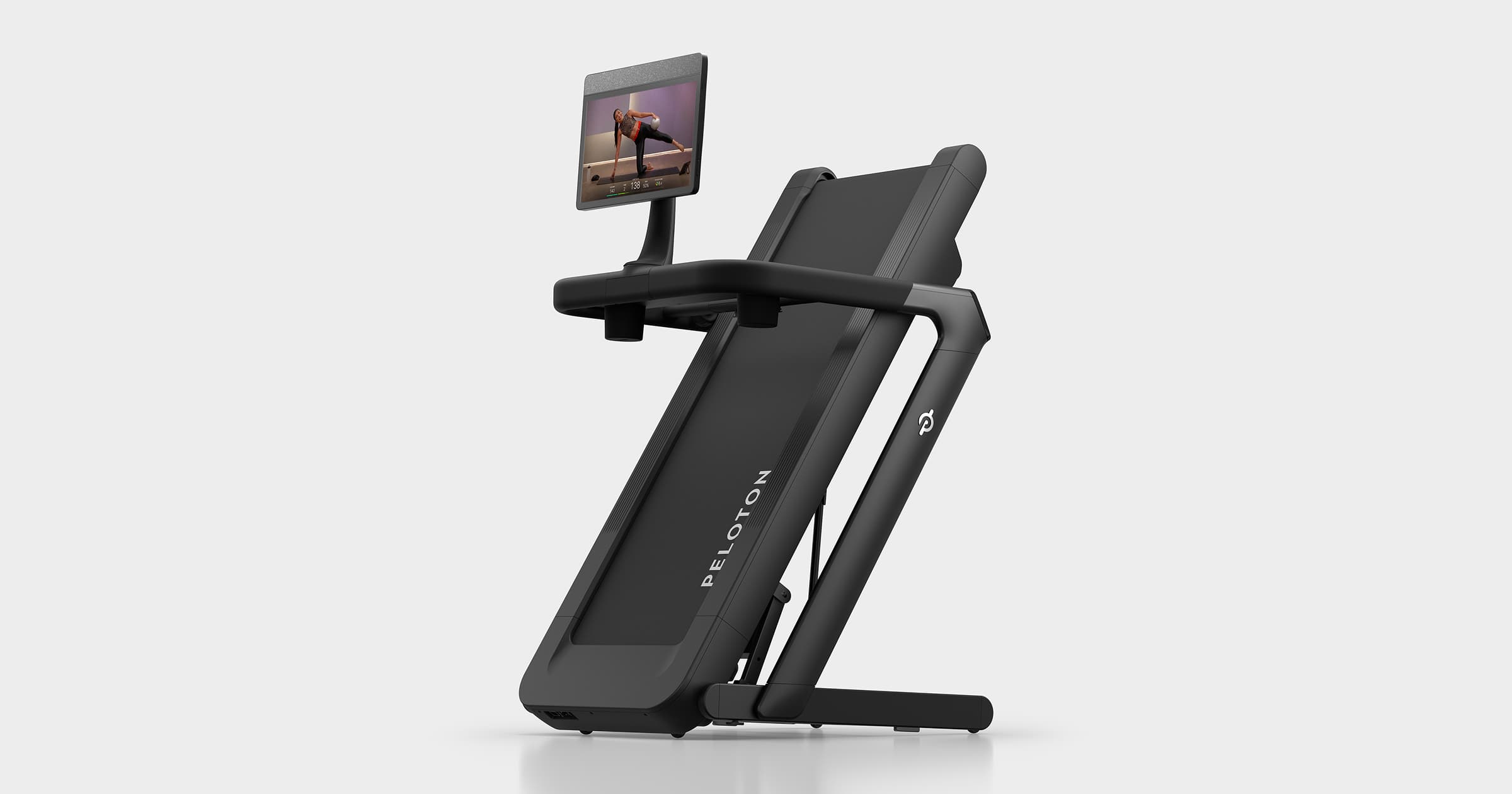
Photo: Peloton / Product photography
Peloton built its name on a combination of connected hardware and instructor-led software. Then the emphasis changed. As early as 2022, Peloton’s own turnaround materials described a shift from being hardware-centric to software-centric; in 2023, company leaders talked about subscriptions becoming a larger share of the business. The bikes and treadmills did not disappear, but the conversation—and the growth strategy—moved toward the app and recurring memberships.
Now the pendulum appears to be swinging toward both again. On September 22, Peloton announced three treadmills at once, alongside new coaching software. That raises a more interesting question than what is new on the spec sheet: who might buy a Peloton now who would not have considered one before?
The Tread Flex, Tread Vision and Tread+ Vision arrived October 1. Together, they widen Peloton’s hardware range—but they do not all have the same job.
Tread Flex: a different way into Peloton
At $2,195, the Tread Flex is Peloton’s least expensive treadmill yet, and its first foldable one. The company says folding reduces its footprint by nearly half. That is more than a nice-to-have for someone exercising in a spare bedroom, shared living space or home office.
The potential audience goes beyond existing Peloton hardware owners. Someone taking Peloton classes through the app might finally consider buying the company’s own treadmill. So might someone shopping folding models from NordicTrack, Sole or another familiar brand who had previously ruled Peloton out on price or storage.
Of course, $2,195 is lower-priced for Peloton, not inexpensive compared with folding treadmills generally. The question is whether Peloton’s instructor-led content, training features and overall experience earn that premium.
Explore Tread Flex at Peloton →
Tread+ Vision: a pitch to hybrid athletes
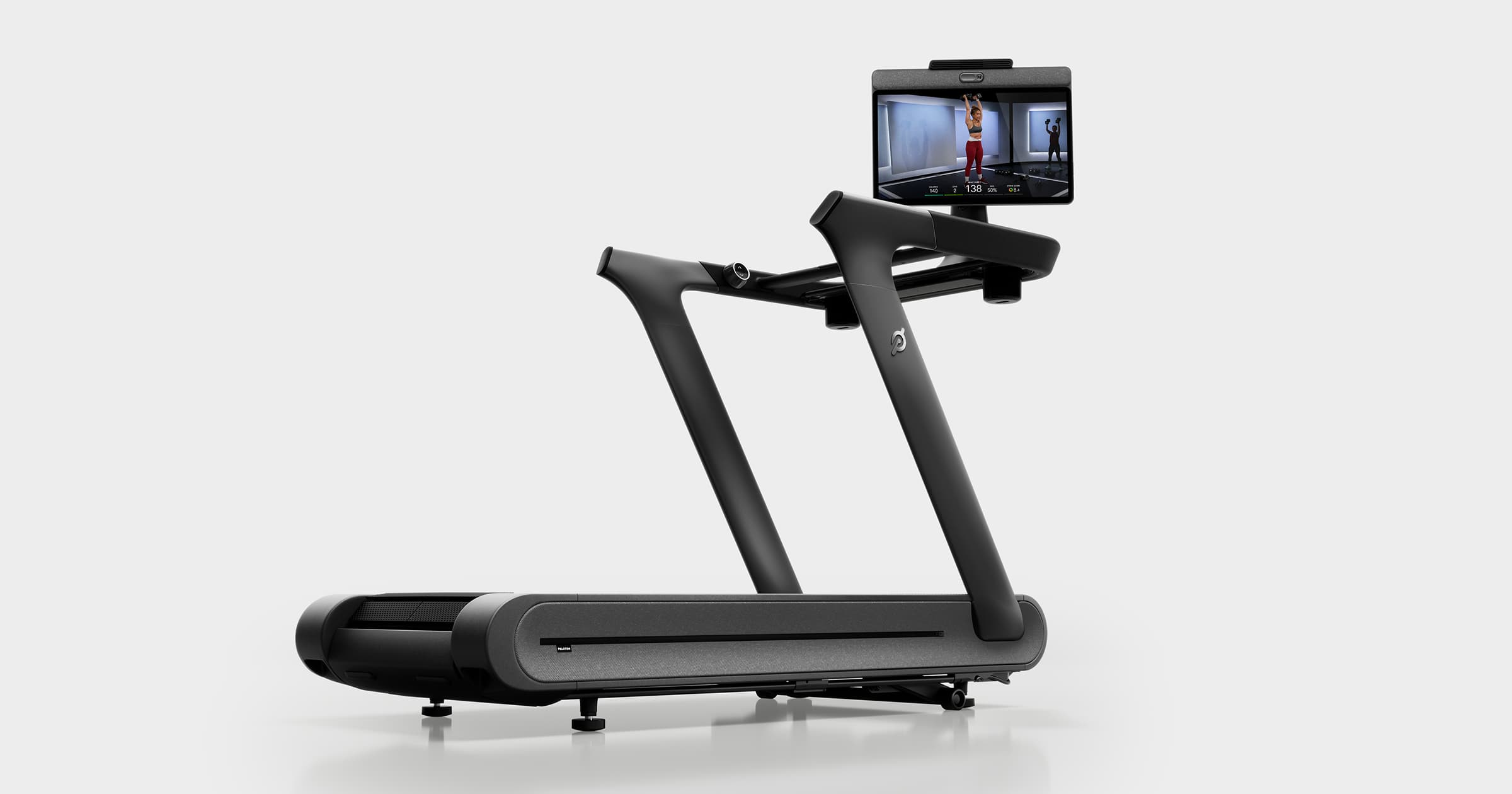
The other headline is the $6,695 Tread+ Vision. Its slat belt, movement-tracking camera and Peloton IQ features are interesting, but Sled Mode is what changes the conversation. Peloton says the machine can add up to 300 pounds of resistance to simulate a sled push. Free Mode also lets users power the belt themselves.
Think about someone who wants treadmill intervals and sled work but cannot fit a sled lane into their home gym. Or an existing Peloton member who takes running, strength and bootcamp classes and wants more of that training in one machine. That is an audience worth paying attention to.
There is a big caveat: pushing a resisted treadmill belt is not identical to pushing a weighted sled across turf. The movement, surface and loading experience are different, and we have not tested Peloton’s implementation. This is a compelling space-saving possibility, not a proven replacement for sled work.
An important detail for current owners: Peloton says Sled Mode is also coming to earlier Tread+ generations through software updates, subject to compatibility. The new hardware is not the only route to that feature.
Explore Tread+ Vision at Peloton →
And the middle model?
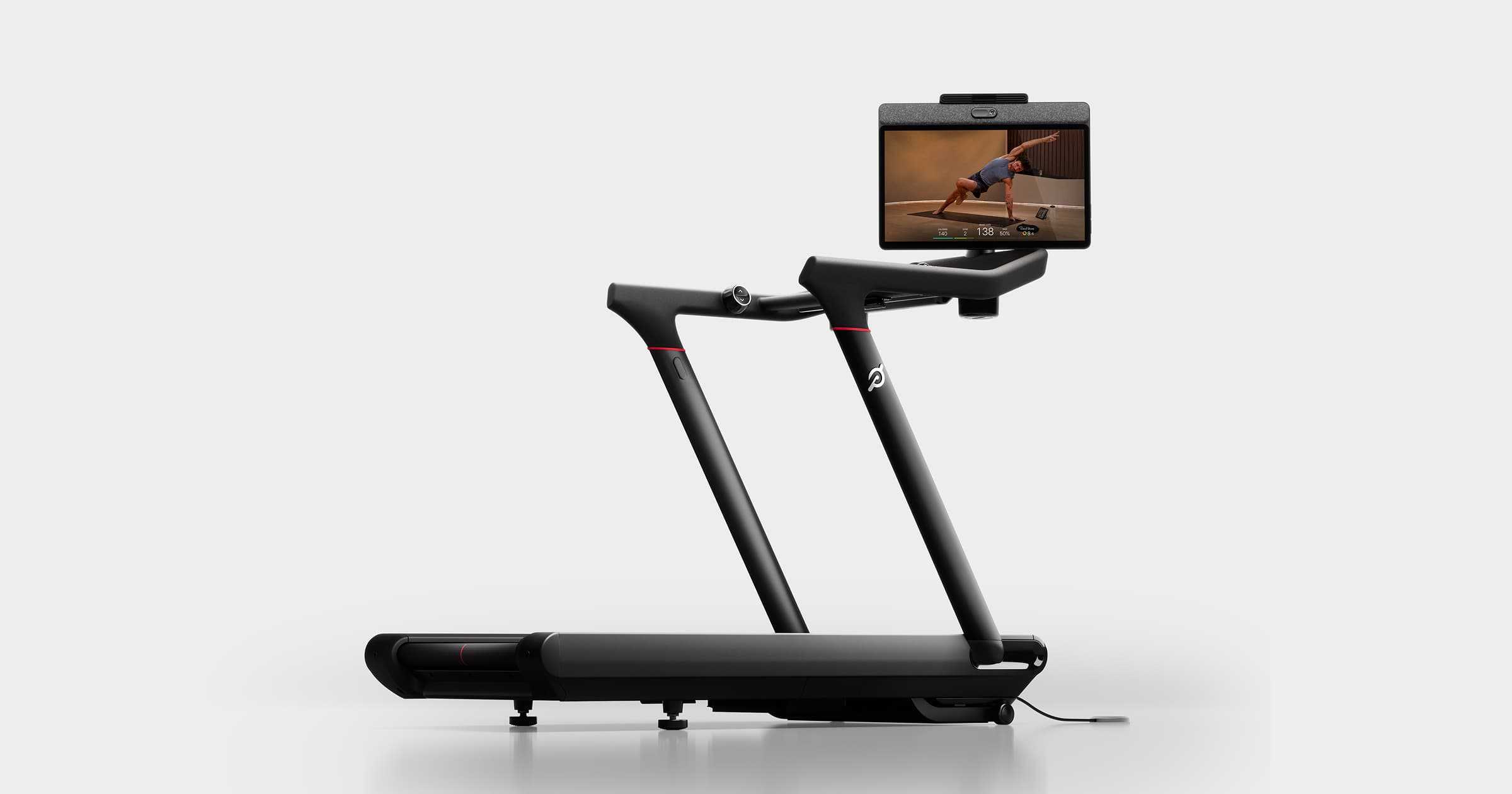
The $3,495 Tread Vision is the next-generation standard Tread. It adds upgraded cushioning, a movement-tracking camera and Peloton IQ running analysis. It makes sense for runners who want performance feedback and for existing Peloton fans considering an upgrade. It is an evolution of the core treadmill rather than a new category of customer proposition.
Explore Tread Vision at Peloton →
The RESEVVOR take
The real story is not that Peloton reinvented the treadmill. It is that the company now has two distinctly different invitations: a folding model for people who want less equipment taking up their lives, and a premium hybrid-training machine for people who want to do more in the space they have.
Neither is an automatic buy. The Flex must compete with established folding alternatives, and the Tread+ Vision carries a serious price tag. Peloton All-Access Membership is additional, and some software updates also benefit existing owners.
But both releases make Peloton’s intentions pretty clear: hardware is not an afterthought. It is still part of how Peloton hopes to find its next customers.
Sources
Peloton’s May 2022 turnaround presentation (software-centric strategy) →
Peloton’s May 2023 earnings call transcript →
Peloton’s September 22, 2026 announcement →