
What’s Your Game Room Personality?
Sleek club, hidden speakeasy, modern arcade or playful nostalgia—the room works better when the vibe is intentional.
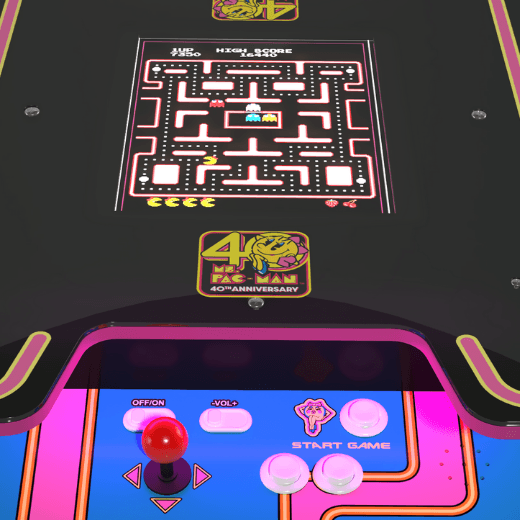
A good game room does not need to look like a theme park—or like a showroom full of unrelated tables. The easiest way to make the room feel intentional is to choose the atmosphere first and let the games support it.
The sleek club
Think restrained finishes, clean-lined furniture and one or two substantial games that feel architectural rather than decorative. A full-size pool table, shuffleboard table or sculptural foosball table can become the visual anchor. Keep the palette narrow and let lighting do some of the work.
The speakeasy
This room is warmer, moodier and a little more theatrical. Dark woods, softer lighting, a bar cart or cocktail setup and games that reward lingering fit naturally here. Pool, poker and shuffleboard make sense because the room is as much about hanging out as it is about winning.
The modern arcade
Arcade energy does not have to mean fluorescent carpet. A modern arcade can mix a cocktail arcade table, a compact cabinet, air hockey or another high-energy game with simpler furniture and a disciplined color palette. The trick is letting the machines provide the visual noise instead of adding more around them.
The nostalgia room
This is where Pac-Man, retro graphics and familiar game-room references get to be the point. Nostalgia works best when it is edited rather than accidental: choose the era or feeling you actually care about, then repeat a few cues instead of collecting every reference at once.
The hybrid host
Some rooms need to do everything: family game night, drinks with friends, kids on a Saturday afternoon and a quieter weeknight hangout. In that case, prioritize flexible seating, games with different energy levels and enough open space that the room can change personalities without a furniture evacuation.
The RESEVVOR take
Pick the room personality before picking the fourth game. A clear point of view makes it much easier to decide what belongs—and, just as importantly, what does not.