Mat, Board, or Reformer? Choosing the Right Pilates Equipment for Your Home
From a simple mat to a full-size reformer, here’s what to weigh before building a home Pilates setup.
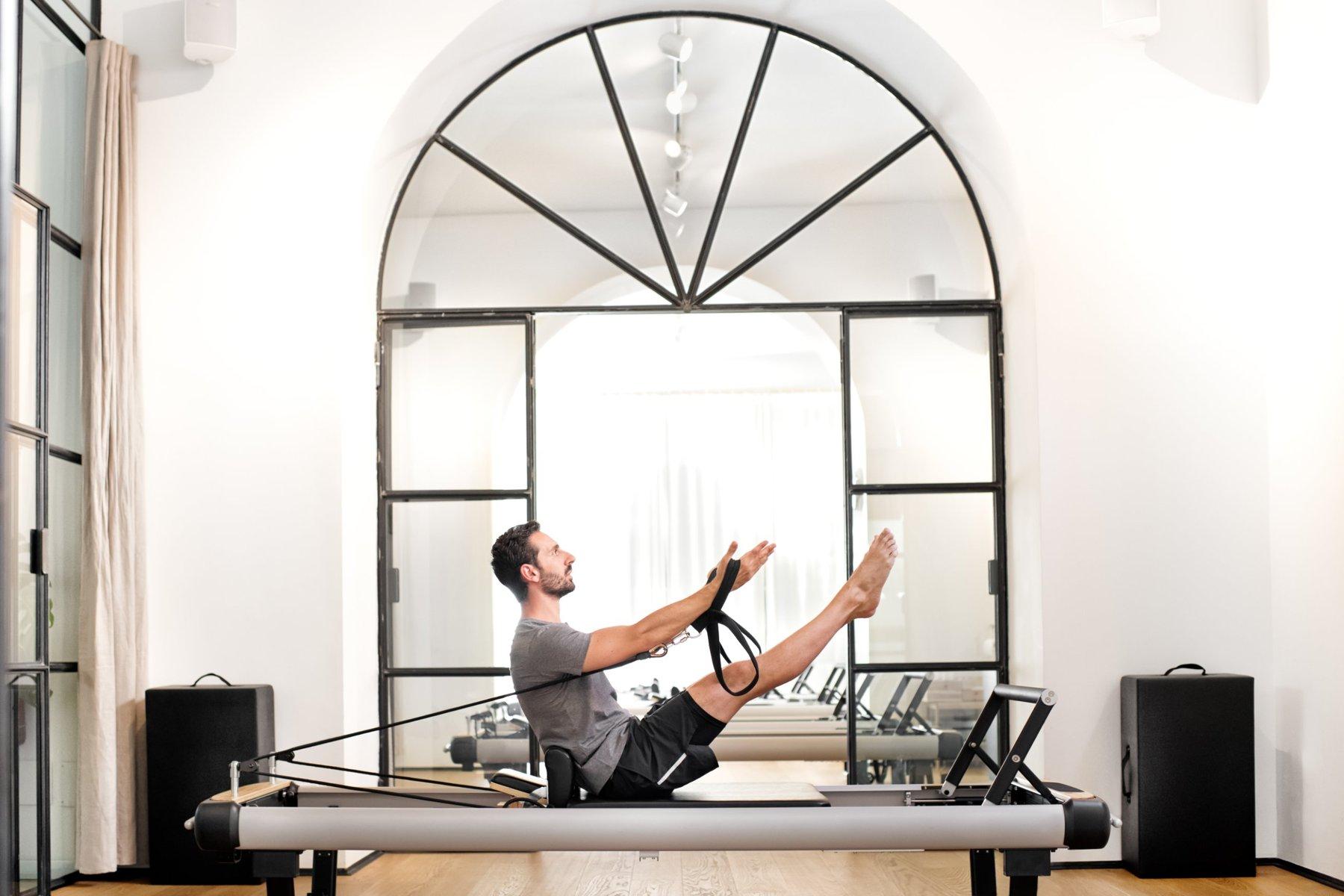
Photo: Envato
Pilates has a low barrier to entry: a mat, a studio-grade reformer, or something in between. Pricier doesn’t mean a better workout; the right choice depends on how you train and how much room you have.
At a Glance
| Price | Space | You gain | You miss | |
|---|---|---|---|---|
| Mat | $20–$100+ | Minimal | Low cost, portability, versatility | Spring resistance and assistance |
| Board | $30–$150+ | Small | Cheap resistance and variety | A moving carriage and springs |
| Chair | $300–$2,000+ | Small | Spring resistance in a small footprint | Lying-down carriage support |
| Space-saving reformer | $500–$2,500+ | Folds or stores upright | Real reformer work, floor back after | Some models’ carriage length |
| Traditional reformer | $1,500–$5,000+ | Dedicated space | More adjustments and accessories | Floor space |
Broad illustrative ranges; quality varies widely within each category.
Pilates Mats: Simple and Versatile
For many people, a mat is all they need. Mat Pilates is a complete practice, and a ring, small ball, bands or sliders add challenge. Choose more cushioning than a thin yoga mat for rolling exercises, but not so much that balance work wobbles. Getting up and down from the floor can be hard with knee, hip or mobility limitations.
Pilates Boards: Affordable, but Not Reformers
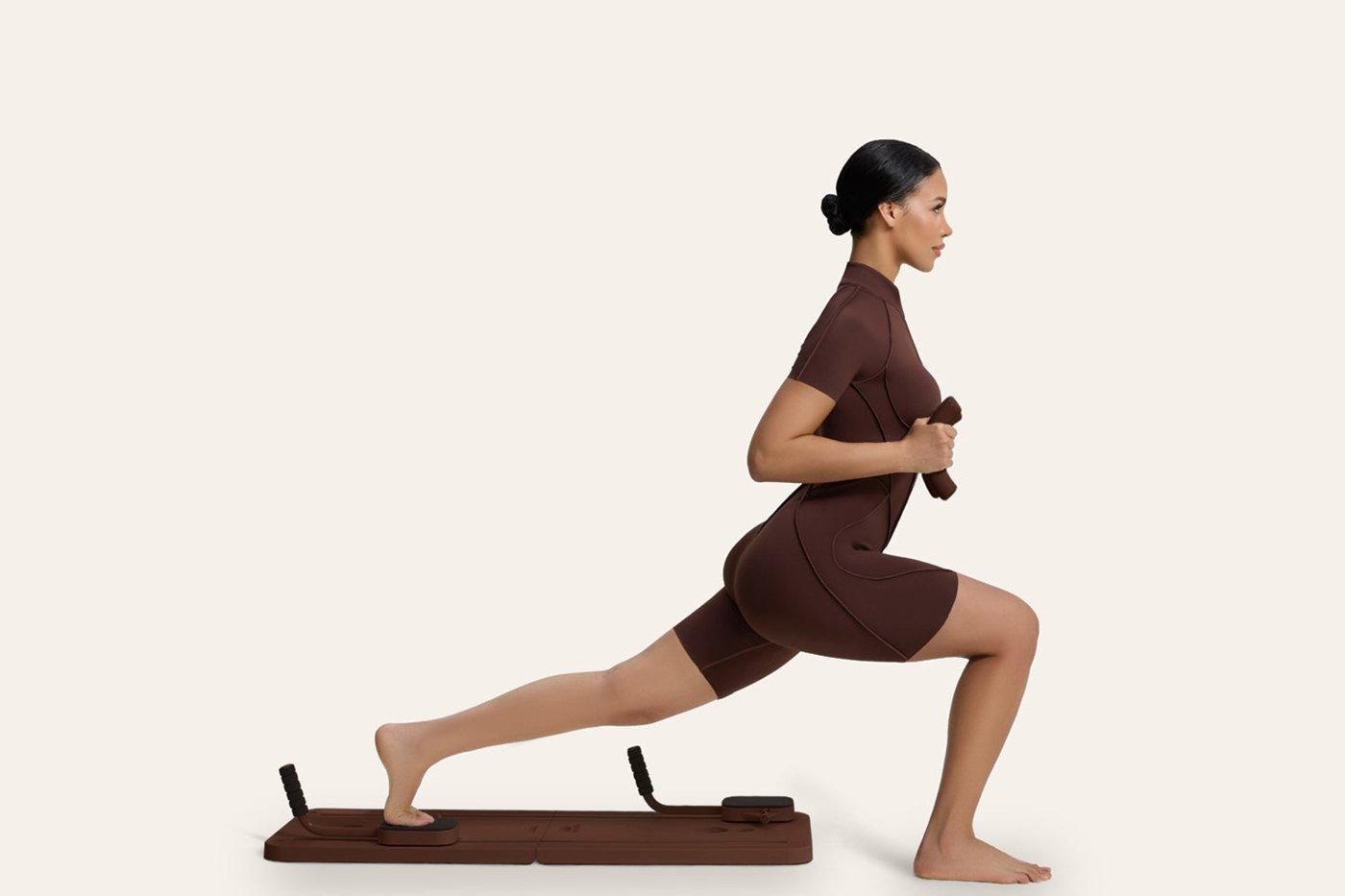
Most are rigid plastic platforms with bands and handles. They add cheap variety, but they aren’t small reformers: most lack the moving carriage and springs. Check the padding, since many have little or none. A slightly pricier padded board may beat a cheap one that needs knee pads or a mat.
Pilates Chairs: Small Footprint, Real Springs
Based on Joseph Pilates’ original Wunda Chair, a Pilates chair is a padded box with a spring-loaded pedal, sometimes split in two, and optional handles: real spring resistance in a chair’s footprint. Much of the work is seated, standing or kneeling, so it demands more balance and control than a reformer. Home models start at a few hundred dollars; studio chairs from brands such as Balanced Body and Peak Pilates run $1,500–$2,000. Streaming services such as Pilates Anytime offer dedicated chair classes.
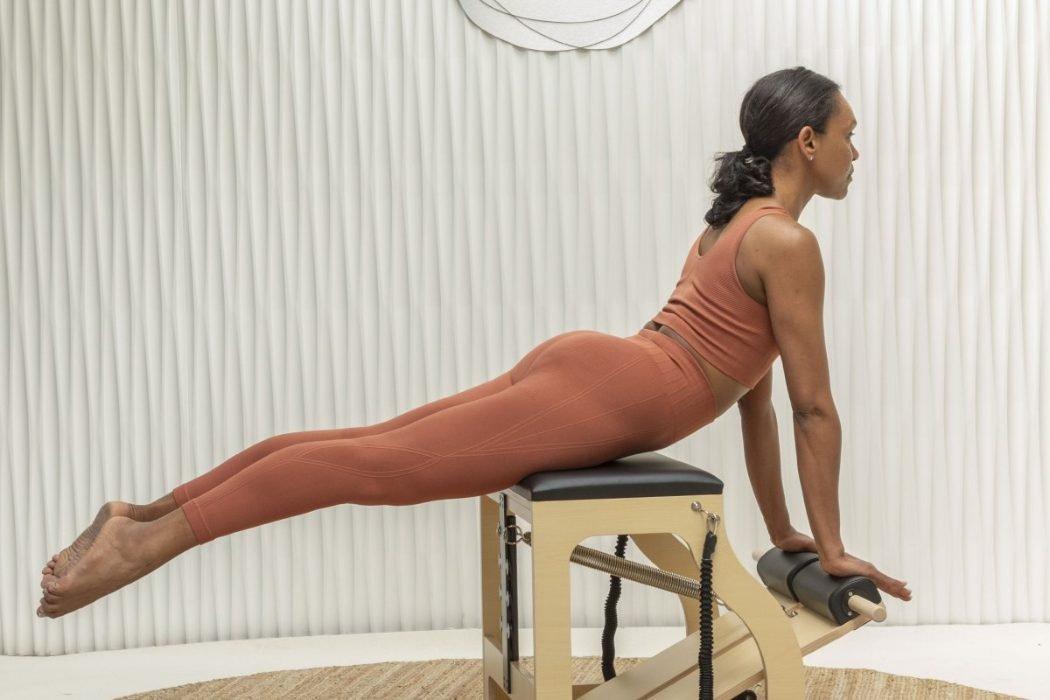
Shop the Elina Pilates Alma Chair.
Space-Saving Reformers
A real carriage and resistance system, without a permanent footprint.
| Springs | Cords |
|---|---|
| Finer adjustment | Often less expensive |
| Closer to studio feel | Resistance builds as they stretch |
Neither is automatically easier, since springs also assist some movements. Confirm replacements are available.
| Folding | Upright |
|---|---|
| Shortens for storage | Keeps full frame, stands on end |
| Suits closets and low ceilings | Suits tall, narrow spaces |
Both can be heavy to move. Store vertically only if the manufacturer approves, and leave clearance around it in use. Also compare carriage height (higher is easier to get on and off), travel, padding and locking.
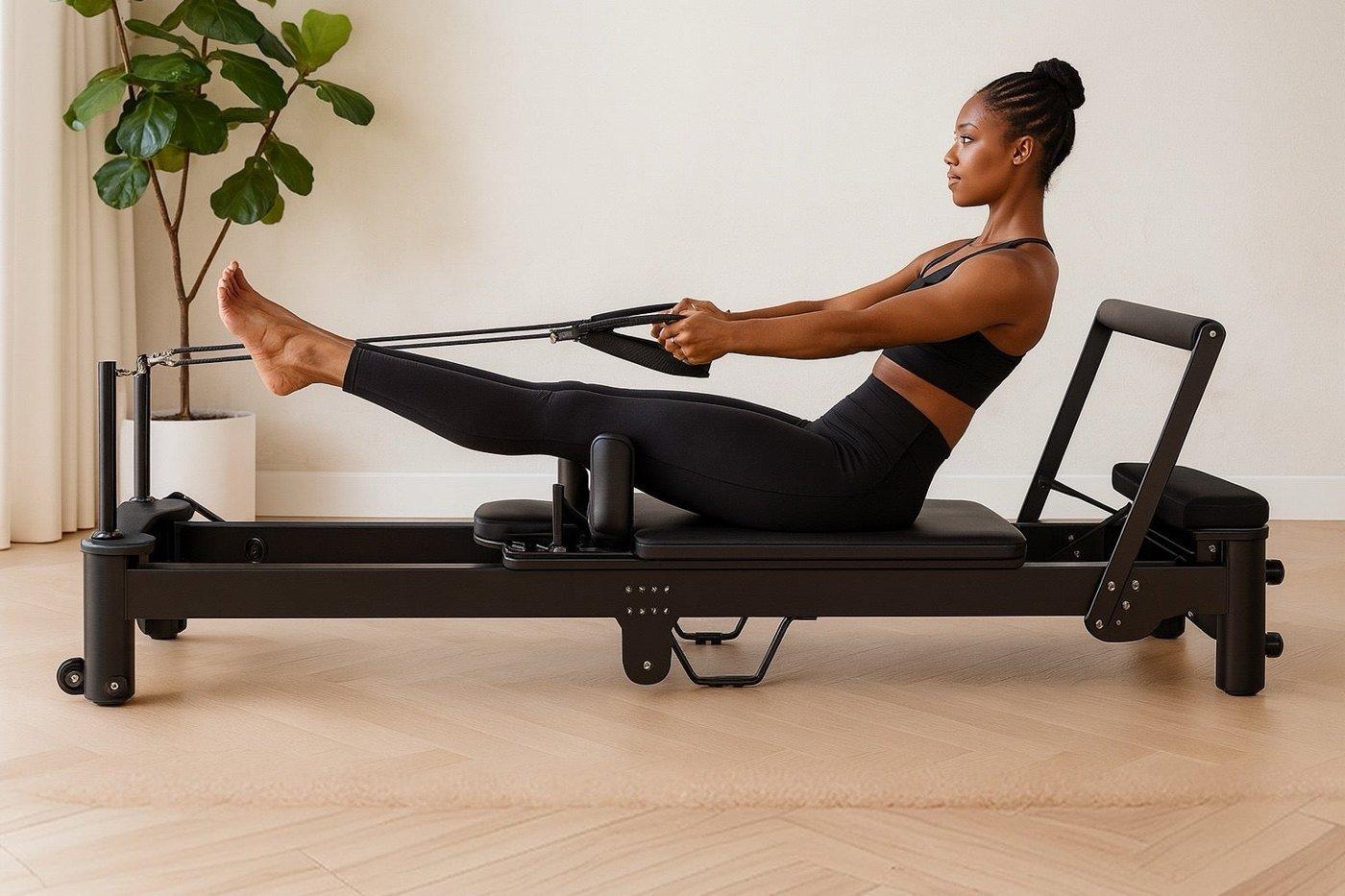
Shop the Luraush Foldable Pilates Reformer.
Traditional Reformers: What You’re Paying For
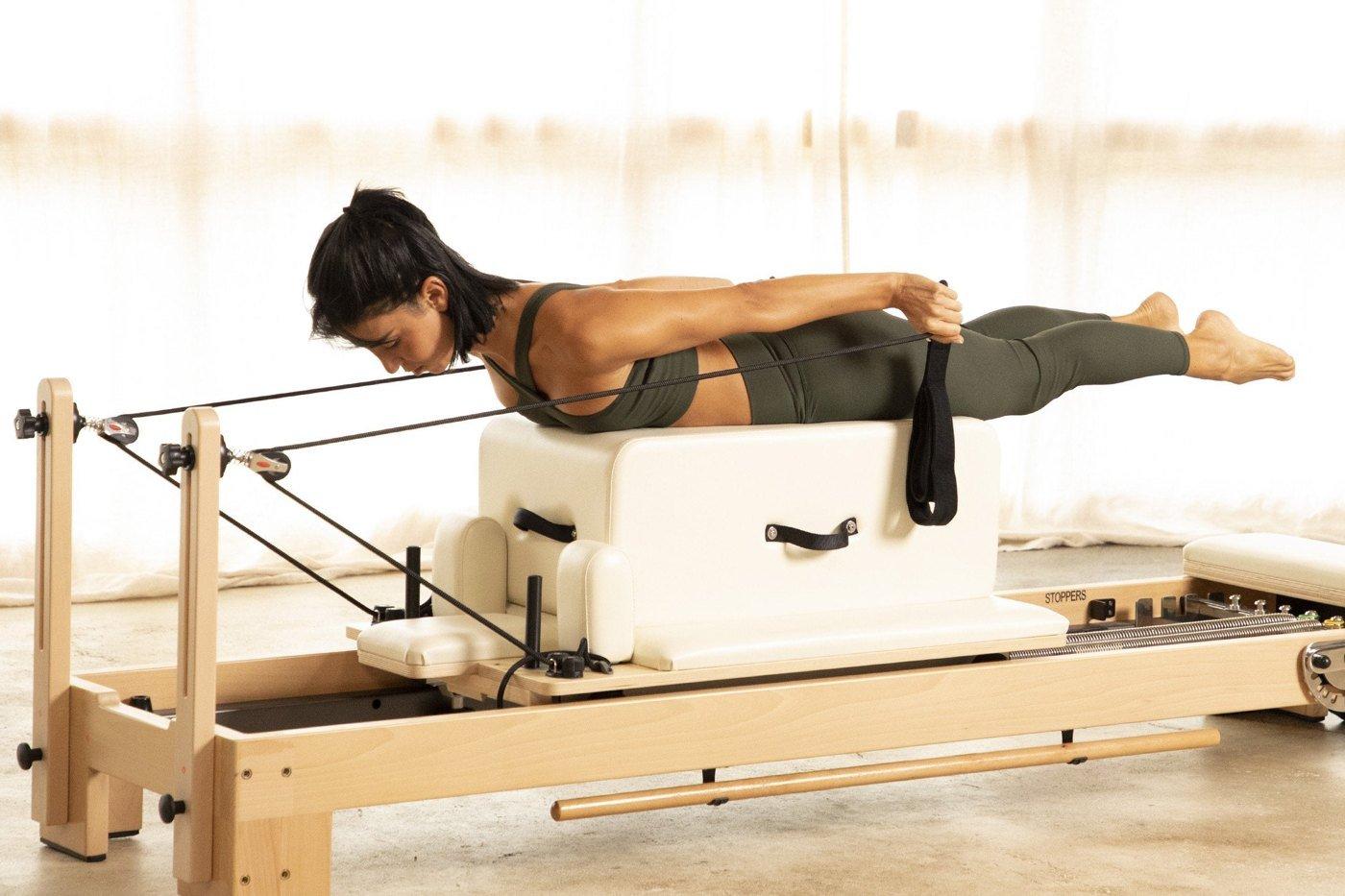
Bigger and pricier isn’t automatically better. Carriage smoothness, padding, stability and spring adjustment matter more than frame material, and extra adjustments only matter if you’ll use them. Check warranties and replacement parts. If it will stay assembled, consider whether looks matter to you: wood reads warm, aluminum and steel more contemporary. Boxes, jumpboards and towers expand what you can do, but they aren’t interchangeable even within one brand, so confirm what fits your model.
Following Classes
A TV or tablet works if you can see it while lying down or kneeling. NordicTrack’s Ultra 1 and Echelon’s Meridian have built-in screens with instructors on the same machine, so settings carry over directly, and an iFIT treadmill owner can keep Pilates on one platform. Others stream to your own device: Echelon sells the Meridian with a tablet holder for its Echelon Fit app, Peak Pilates includes a Pilates Project app trial with the casa Reformer, and Your Reformer has its own on-demand app. Compare class libraries, subscription costs and what works without one.
A Note on Joint Pain
Low-impact doesn’t mean comfortable for every joint: mats mean getting up and down from the floor, boards are rigid, and a very low reformer can be hard to get on and off. With persistent pain or significant mobility limitations, the right exercises, modifications and qualified instruction matter more than price or category.
Which Setup Fits?
- Starting out or on a budget: A good mat
- Short on space: A board, or a folding or upright reformer
- Want springs without a reformer: A Pilates chair
- Studio regular: A spring-based reformer
- Dedicated room: A traditional reformer
- Accessibility first: Carriage height and easy on and off
Before You Buy
- What kind of Pilates do I want to practice?
- Where will it go, in use and in storage?
- Will it be comfortable for the positions I’ll use?
- Will the accessories I want fit this model?
- Do I want guided classes, and how will I follow them?
- Am I paying for features I’ll actually use?
The goal isn’t the biggest machine. It’s equipment that fits your training, your space and how you’ll use it.


